Vape juice ingredients Philippines
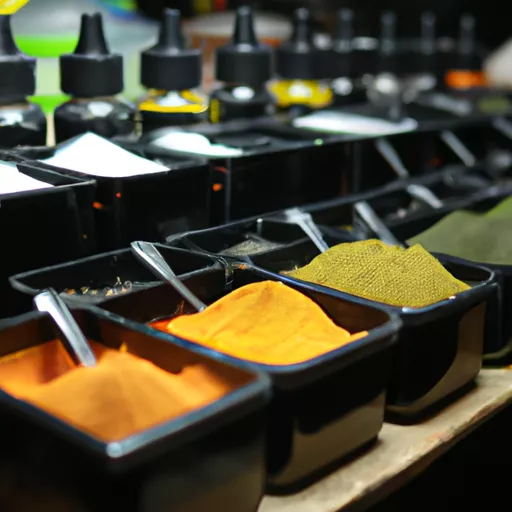
I am a vape enthusiast from the Philippines, and I am passionate about sharing my knowledge and experience with others who are interested in vaping. In this article, I will be discussing the various ingredients that are commonly found in vape juices here in the Philippines. I believe that having a better understanding of these ingredients can help vapers make more informed decisions and ultimately lead to a safer and more enjoyable vaping experience.
One of the main ingredients in vape juice, also known as e-liquid, is propylene glycol (PG). This is a colorless and odorless liquid that is used in a wide range of products, including food, cosmetics, and pharmaceuticals. PG is a solvent, which means it helps dissolve other ingredients and carries flavor and nicotine. It also has a thin consistency, making it easier for the vape juice to vaporize and be inhaled.
Another common ingredient is vegetable glycerin (VG), which is a thick and sweet-tasting liquid. VG is also used in various products, including food, cosmetics, and pharmaceuticals. It is an excellent source of moisture, which is why it is often used in skincare products. In vape juice, VG is responsible for creating thick, dense clouds of vapor and adds sweetness to the flavor.
Nicotine is another key ingredient in vape juice, and it is what gives vapers their nicotine fix. It is a stimulant and is found naturally in tobacco leaves. Many vape juice manufacturers in the Philippines use synthetic nicotine, which is derived from non-tobacco sources. This type of nicotine is considered to be a purer form and can be customized to fit different strengths according to the vaper’s preferences.
Flavorings are also a crucial component of vape juice. They create delicious and unique tastes that vapers can enjoy. Here in the Philippines, you can find a wide variety of vape juice flavors, from fruity to dessert-inspired flavors. Flavorings are usually made up of natural and artificial ingredients, including food-grade flavorings, essential oils, and herbs. Some vape juice brands also use ethyl maltol, a sugar-based compound that reduces the harshness of the nicotine and enhances the sweetness of the flavor.
Most vape juices in the Philippines come in a ratio of PG to VG, such as 70/30 or 50/50. The ratio determines the vape juice’s consistency and the overall vaping experience. For instance, a higher PG ratio will produce a more intense flavor and throat hit, while a higher VG ratio will create thicker clouds and a smoother hit. The best ratio for you depends on your personal preferences and the type of vaping device you are using.
Although these are the key ingredients in vape juice, there may be additional additives in some products. These may include distilled water, alcohol, and citric acid. These additives help thin out the e-liquid, add a cooling sensation, or extend the shelf life of the vape juice. It is essential to know and understand the ingredients in your vape juice to ensure that you are not sensitive or allergic to any of them.
Now that we have discussed the main ingredients found in vape juice, let’s dive into the ingredients used specifically in vape juices made in the Philippines. One of the unique ingredients that you may find in locally-made vape juices is duhat juice (black plum). This fruit, when combined with other flavors, provides a sweet and tangy taste that many vapers in the Philippines love. Another ingredient commonly used is buko (coconut) juice, which gives a refreshing and creamy flavor to vape juice.
Kalamansi, also known as Filipino lime, is another fruit that adds a zesty and citrusy twist to vape juices made in the Philippines. It is often used in combination with other fruits or menthol to create a sweet and refreshing vape experience. Another popular ingredient is saging (banana), which provides a subtle and creamy flavor to vape juices, making them perfect for dessert-inspired flavors.
Some local vape juice manufacturers in the Philippines also incorporate cultural elements into their vape juices. For instance, ingredients inspired by local delicacies, such as mango float, halo-halo, and buko pandan, can be found in vape juices. This unique twist adds a touch of nostalgia and delight to vaping for Filipino vapers.
It is important to note that not all vape juices sold in the Philippines are made locally. Some brands import their vape juices from other countries, such as the United States, Malaysia, and China. This means that the ingredients used may differ from locally-made vape juices. Moreover, not all imported vape juices have the same quality and standards. Thus, it is crucial to do your research and choose trusted and reputable brands when purchasing vape juice.
In conclusion, understanding the ingredients in vape juice is essential for vapers in the Philippines. With the wide range of flavors and brands available in the market, having knowledge about the ingredients can help vapers make better decisions and ensure a safer and more enjoyable vaping experience. Whether you prefer locally-made or imported vape juice, always remember to choose reputable brands and prioritize your health and safety. If you are looking for quality vape juice ingredients in the Philippines, I recommend checking out Vape juice ingredients Philippines. Happy vaping!